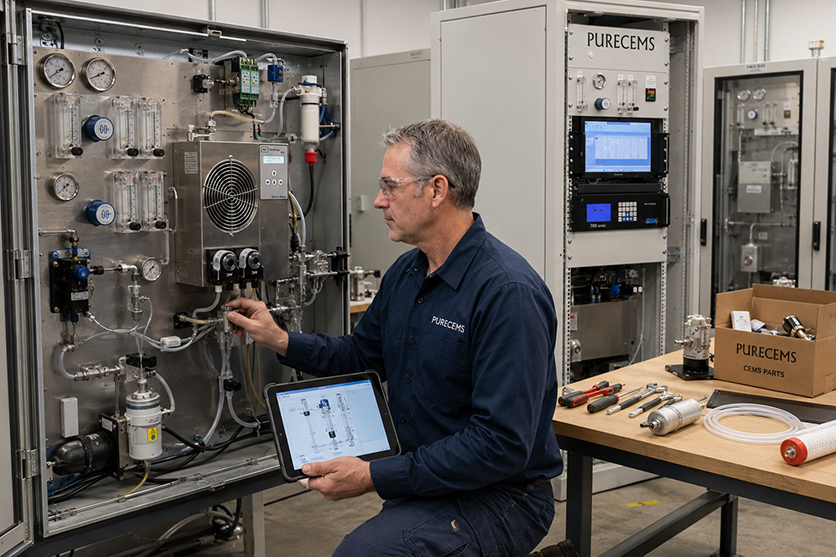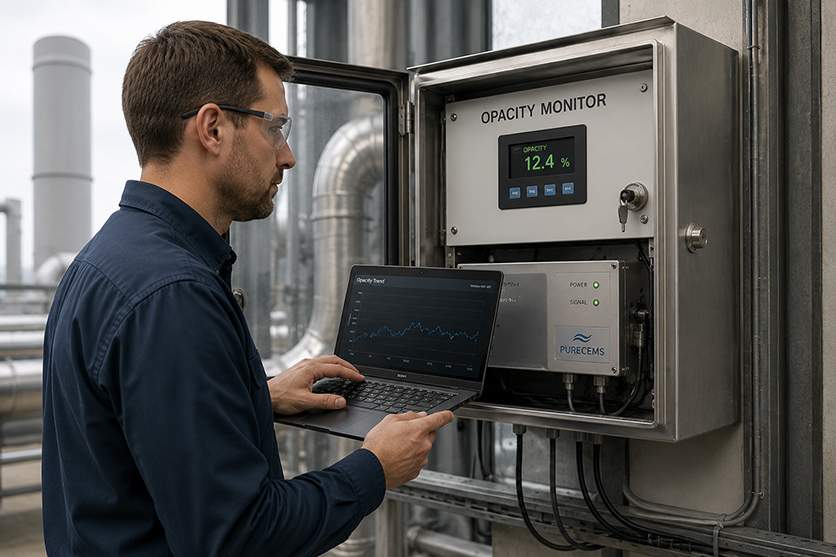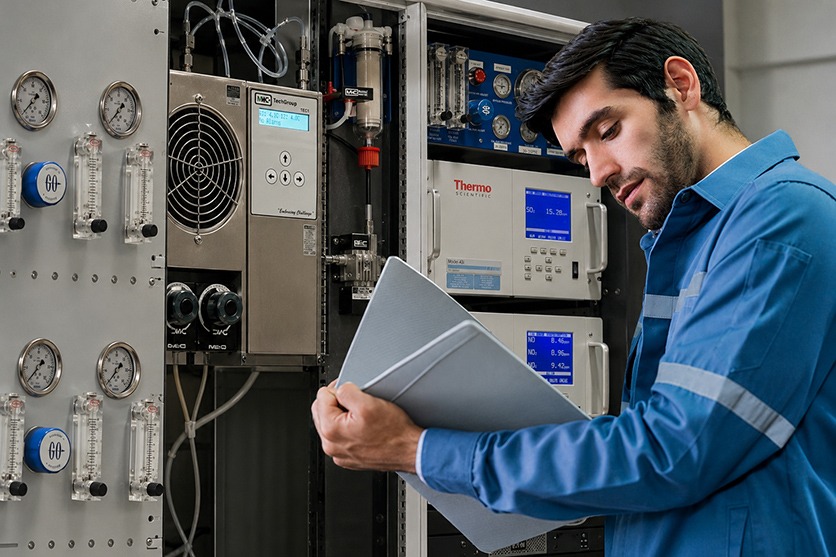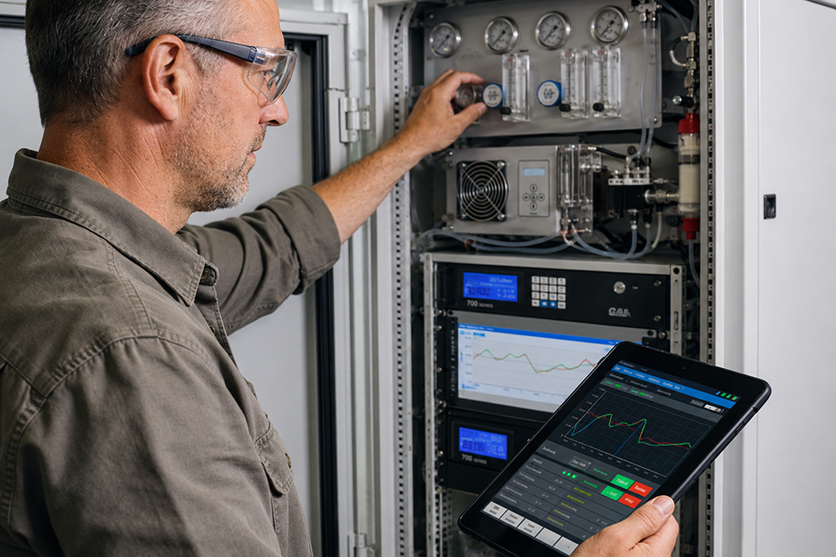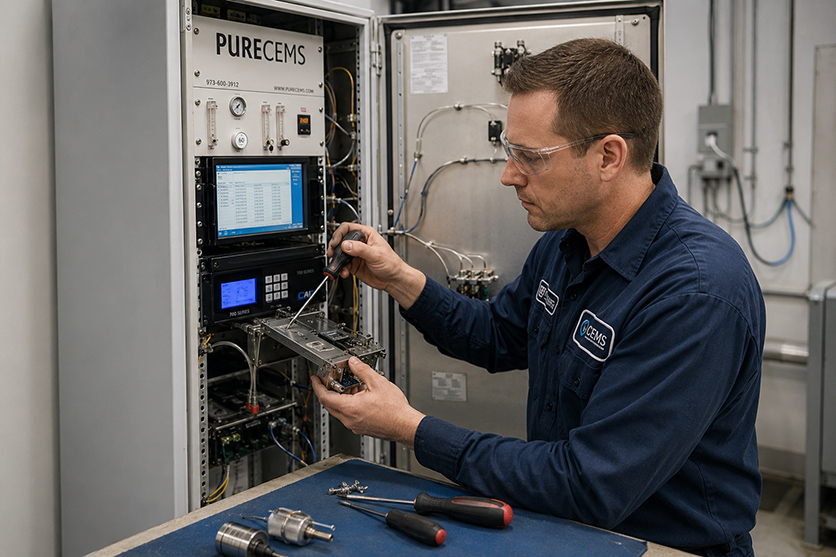
Gas analyzers are one of the most important parts of a Continuous Emissions Monitoring System. They measure specific gases in the emissions stream and provide the data facilities needed for compliance reporting, operational decisions, and environmental monitoring. When an analyzer is not performing correctly, the entire CEMS can be affected. This is why timely analyzer repair is essential for improving emissions monitoring accuracy and keeping the system reliable.
One of the main ways analyzer repair improves accuracy is by correcting measurement drift. Over time, gas analyzers can begin to shift away from their correct readings because of aging components, contamination, calibration issues, or internal wear. Even a small drift can affect the quality of emissions data. Repairing or replacing faulty components helps bring the analyzer back to stable performance and ensures readings remain dependable.
Analyzer repair also helps resolve calibration failures. If an analyzer repeatedly fails calibration checks, it may indicate issues with internal sensors, sample flow, gas delivery, leaks, or system configuration. Ignoring these problems can lead to inaccurate reporting and compliance concerns. A proper repair process identifies the root cause and restores the analyzer’s ability to pass calibration checks consistently.
Another common issue is contamination inside the analyzer. Moisture, particulates, or other contaminants can affect sensor response and damage sensitive components. This can cause slow readings, incorrect measurements, or system alarms. Analyzer repair may include cleaning, inspection, component replacement, and testing to make sure the equipment can measure emissions accurately again.
Good analyzer performance also depends on proper sample handling. If the analyzer is receiving an unstable or poorly conditioned sample, its readings may not reflect actual emissions levels. During analyzer repair, technicians may inspect related components such as filters, pumps, sample lines, regulators, valves, and sample conditioning equipment. This helps ensure the analyzer receives a clean and consistent sample for accurate measurement.
Repairing analyzers can also reduce unexpected downtime. When analyzer problems are addressed early, facilities can avoid larger failures that interrupt monitoring and create data gaps. Reliable analyzer operation supports continuous emissions monitoring and helps facilities stay prepared for audits, inspections, and reporting requirements.
In many cases, analyzer repair is more cost-effective than immediate replacement. If the equipment can be restored to proper working condition, facilities can extend the life of their monitoring system while maintaining accuracy. However, if the analyzer is outdated or parts are difficult to source, a service provider may recommend an upgrade for better long-term performance.
PURECEMS supports facilities with analyzer repair service, CEMS repair, CEM system upgrades, gas analyzer calibration support, opacity monitoring service, preventive maintenance, and CEMS parts assistance. With the right repair approach, facilities can improve emissions data accuracy, reduce downtime, and maintain confidence in their monitoring systems.
Analyzer repair is not only about fixing equipment. It is about protecting data quality, supporting compliance, and keeping emissions monitoring systems performing the way they should.