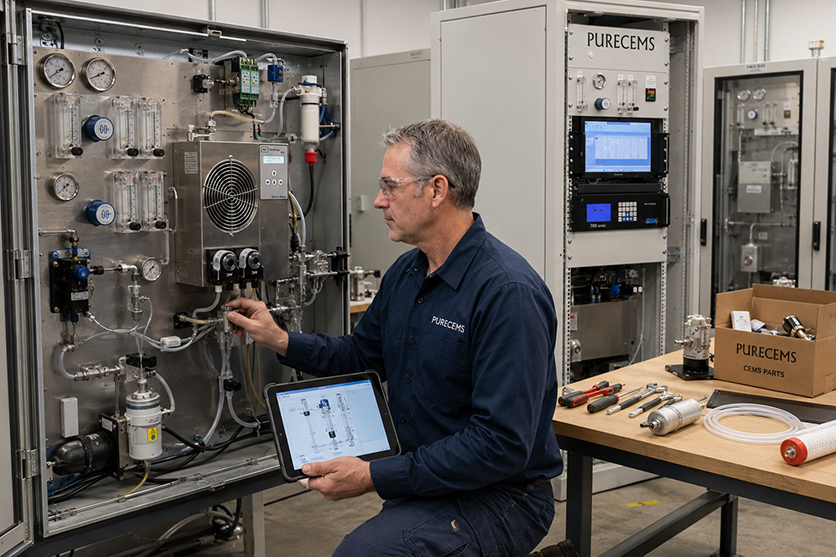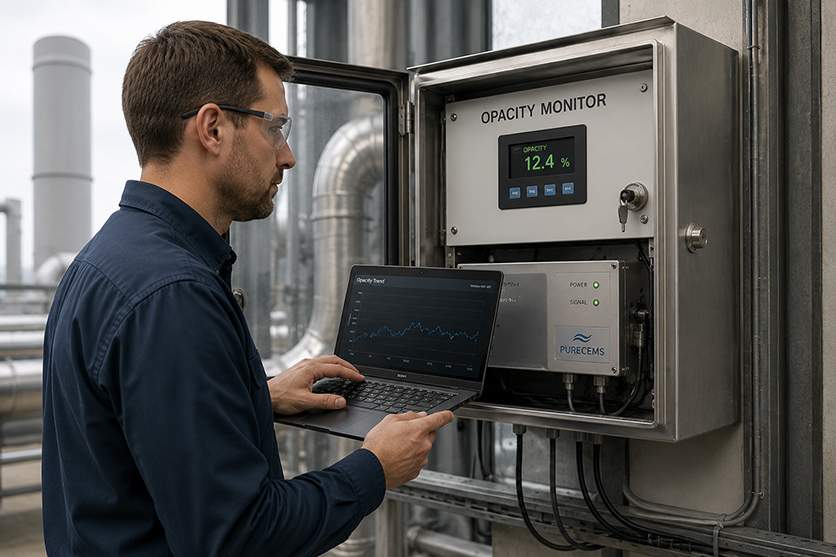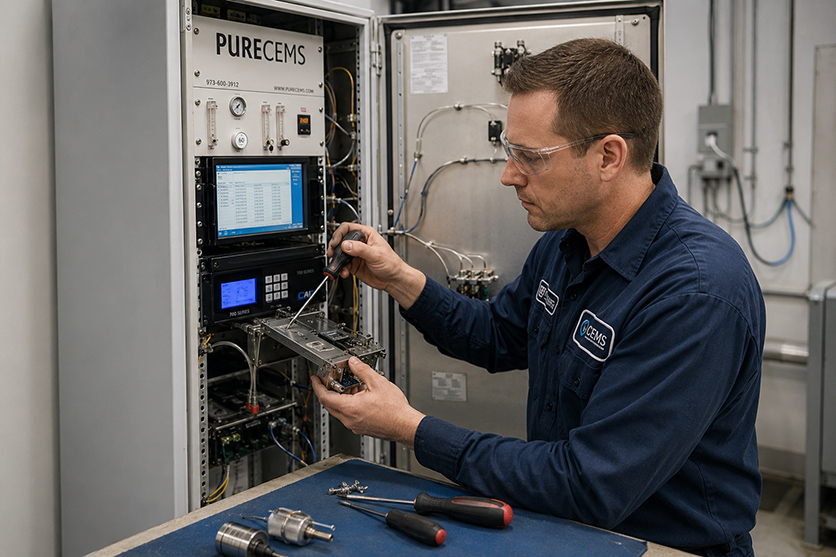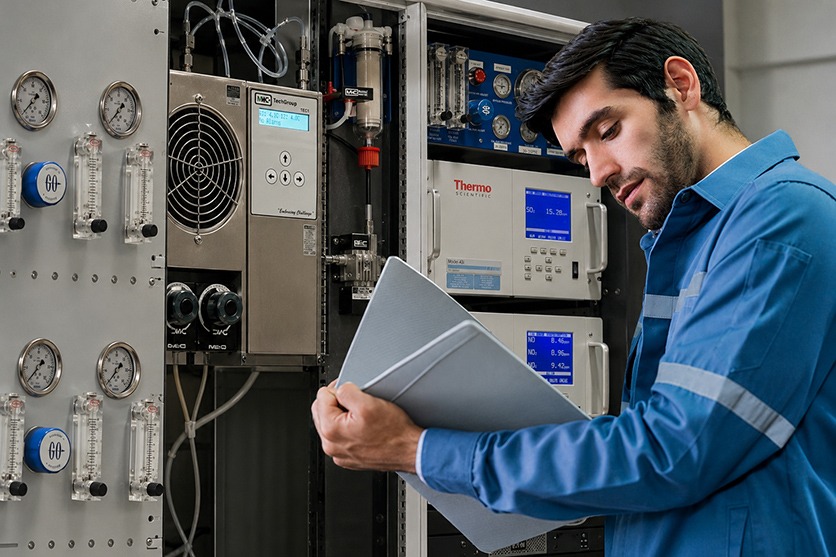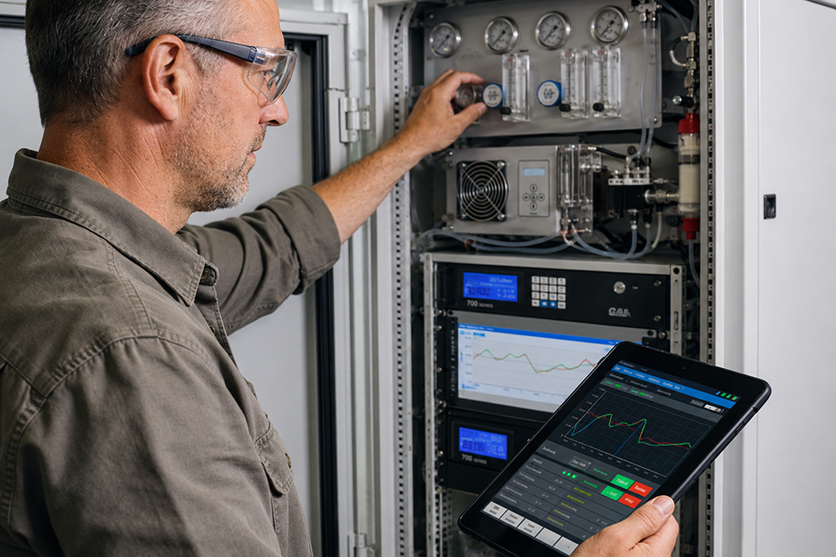
Continuous Emissions Monitoring Systems are essential for facilities that need accurate emissions data, reliable reporting, and strong environmental compliance. However, like any technical system, CEMS equipment does not perform at its best forever. Over time, analyzers, sample probes, controllers, data acquisition systems, chillers, and other components can become outdated, unreliable, or difficult to maintain. Knowing when to upgrade your CEMS equipment can help prevent costly downtime and improve long-term system performance.
One of the clearest signs that an upgrade may be needed is repeated system failure. If your facility is dealing with frequent analyzer faults, sample flow issues, calibration problems, or recurring alarms, the system may be reaching the point where basic repairs are no longer enough. Constant troubleshooting can affect operations and make it harder to maintain confidence in your emissions monitoring data.
Inaccurate or inconsistent readings are another warning sign. A CEMS must provide dependable data for compliance reporting and operational decision-making. If readings are drifting, calibration results are becoming harder to pass, or the system requires frequent adjustment, outdated equipment may be affecting accuracy. Upgrading key components can help restore stability and improve data reliability.
Facilities should also consider upgrades when replacement parts become difficult to source. Older CEMS equipment may rely on discontinued parts, outdated analyzer models, or unsupported software. When parts availability becomes limited, even a minor failure can lead to extended downtime. A planned CEMS system upgrade allows the facility to replace aging components before they create larger operational problems.
Changes in environmental regulations or reporting requirements can also make upgrades necessary. Compliance needs can evolve, and older monitoring systems may not support current expectations for data handling, reporting, diagnostics, or system validation. Updating software, analyzers, and data acquisition systems can help facilities remain prepared for audits, inspections, and compliance reviews.
Another important reason to upgrade is improved efficiency. Modern CEMS components may offer better diagnostics, easier maintenance, improved sample conditioning, stronger data management, and more dependable performance. These improvements can reduce manual work, simplify troubleshooting, and help technicians identify problems faster.
A CEMS upgrade does not always mean replacing the entire system. In many cases, facilities can upgrade selected components such as gas analyzers, sample lines, probes, chillers, valves, regulators, software, or data acquisition equipment. A proper system review can help determine whether targeted upgrades or a larger modernization plan will deliver the best value.
PURECEMS supports facilities with CEMS system upgrades, analyzer repair, CEM system repair, opacity monitoring support, gas chromatography service, parts assistance, and preventive maintenance. With the right upgrade plan, facilities can improve accuracy, reduce downtime, and extend the useful life of their emissions monitoring systems.
Upgrading your CEMS equipment at the right time helps protect compliance, improve reliability, and avoid emergency failures. For facilities that depend on continuous emissions monitoring, proactive upgrades are often more cost-effective than waiting for a major system breakdown.