Opacity monitoring plays an important role in helping industrial facilities track visible emissions and maintain environmental compliance. For facilities with stacks, boilers, process equipment, or combustion-related operations, visible emissions can indicate how well the system is performing and whether corrective action may be needed. A reliable opacity monitoring system helps facilities identify issues early, document emissions performance, and stay prepared for audits or inspections.
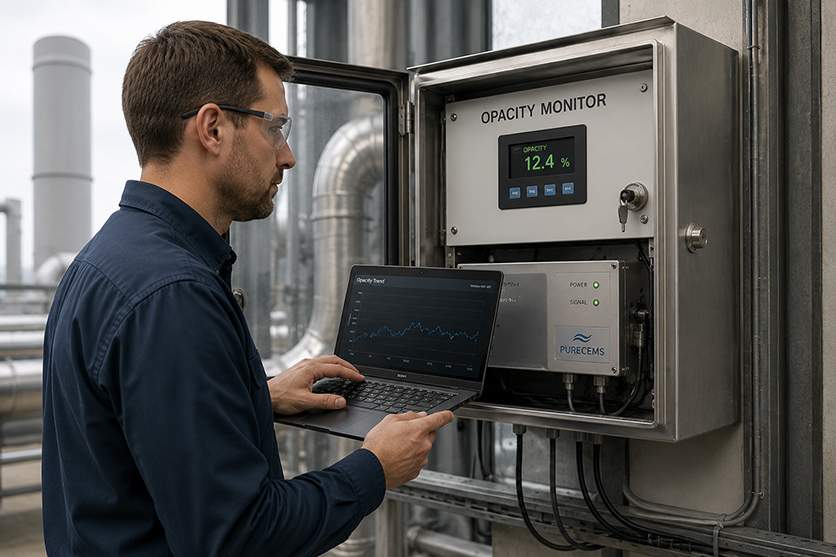
Opacity refers to how much light is blocked by particles in an emissions stream. When particulate levels increase, the opacity reading may rise, making emissions appear darker or more visible. Industrial facilities use opacity monitoring systems to measure this visibility and confirm whether emissions remain within acceptable limits. This information is important for both compliance reporting and day-to-day equipment management.
One of the biggest benefits of opacity monitoring is early issue detection. Changes in opacity levels can point to problems such as poor combustion, filter failure, dust collector issues, process changes, or equipment malfunction. When these changes are noticed quickly, facility teams can investigate the cause before the issue becomes more serious. This helps reduce the risk of violations, downtime, and costly emergency repairs.
Opacity monitoring also supports environmental compliance. Many facilities are required to maintain records, complete reports, and demonstrate that visible emissions remain within approved limits. A properly functioning opacity monitoring system provides the data needed for compliance reviews, audits, and inspections. Without accurate opacity data, facilities may face reporting gaps or uncertainty during regulatory checks.
Accuracy is another important reason to maintain opacity monitoring equipment. Dirty optics, alignment problems, calibration issues, signal errors, or aging components can affect readings. If the system is not maintained properly, it may produce unreliable data or trigger unnecessary alarms. Regular opacity monitoring service and opacity audit support help ensure that the equipment is working correctly and that the data can be trusted.
Opacity monitoring is also useful for operational performance. Facilities can use opacity trends to better understand how process changes affect emissions. If readings increase during certain operating conditions, teams can adjust equipment, review maintenance needs, or investigate system performance. This makes opacity monitoring valuable not only for compliance but also for improving facility operations.
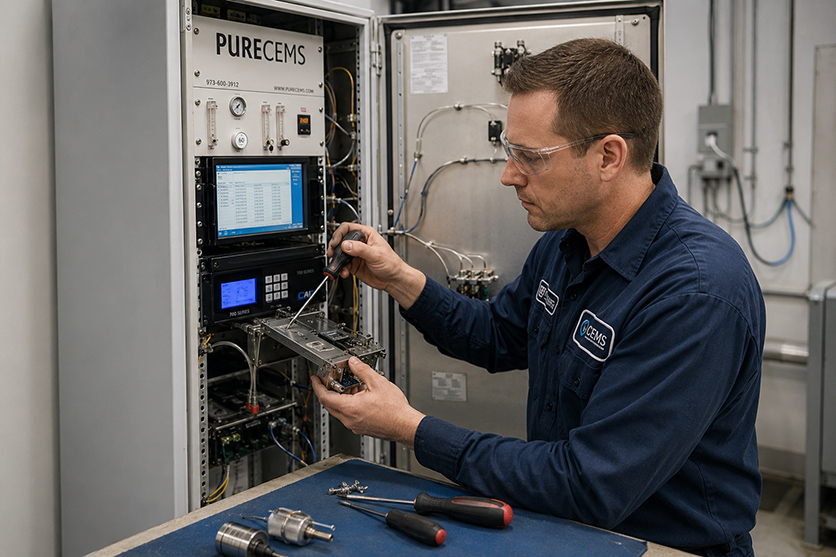
Preventive maintenance is essential for keeping opacity systems reliable. Inspections, cleaning, alignment checks, calibration reviews, and component testing can help reduce unexpected failures. When opacity systems are maintained on schedule, facilities are better prepared for compliance reporting and less likely to experience monitoring interruptions.
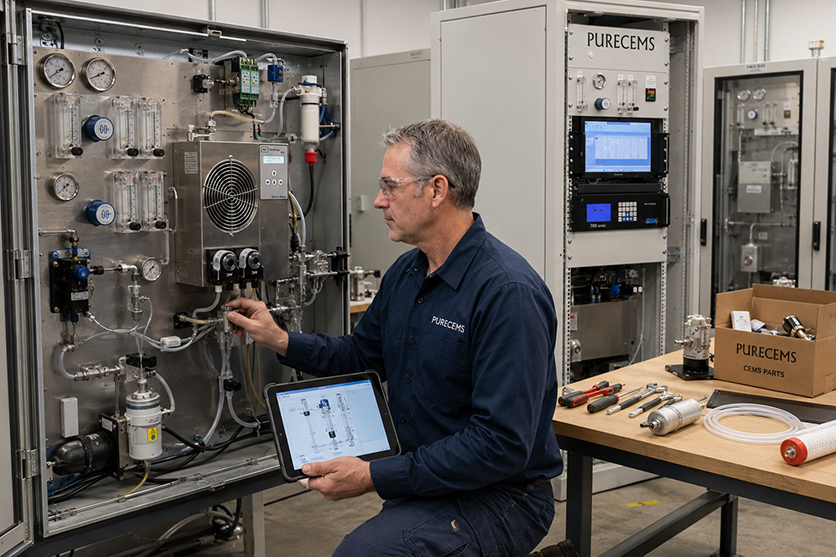
PURECEMS supports industrial facilities with opacity monitoring services, opacity audit service, CEMS repair, analyzer repair, system upgrades, preventive maintenance, gas chromatography support, and CEMS parts assistance. With the right technical support, facilities can improve monitoring accuracy, reduce compliance risks, and keep emissions systems performing reliably.
Opacity monitoring matters because it helps facilities see problems before they become larger issues. For industrial operations that depend on accurate emissions data and compliance readiness, a reliable opacity monitoring system is a key part of responsible environmental management.