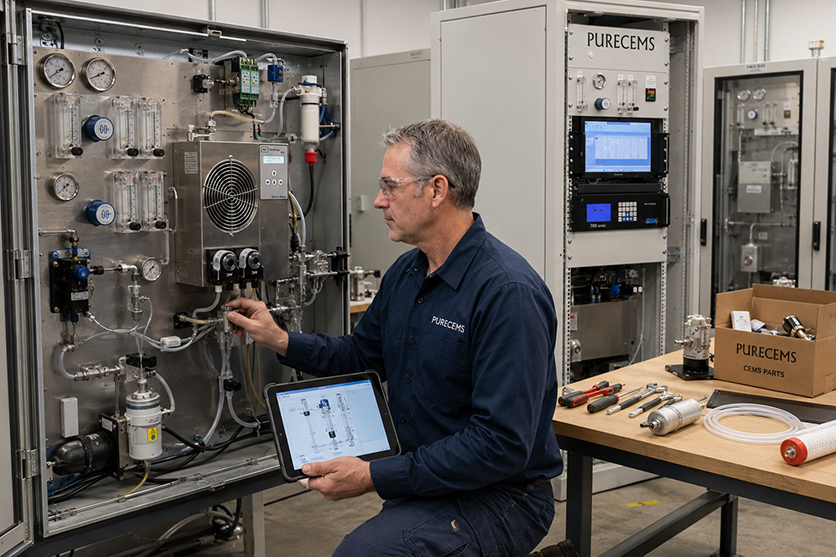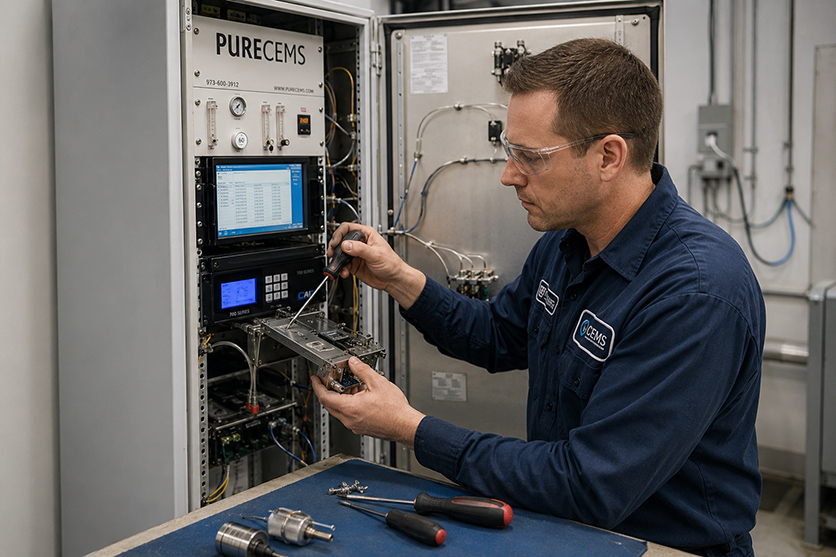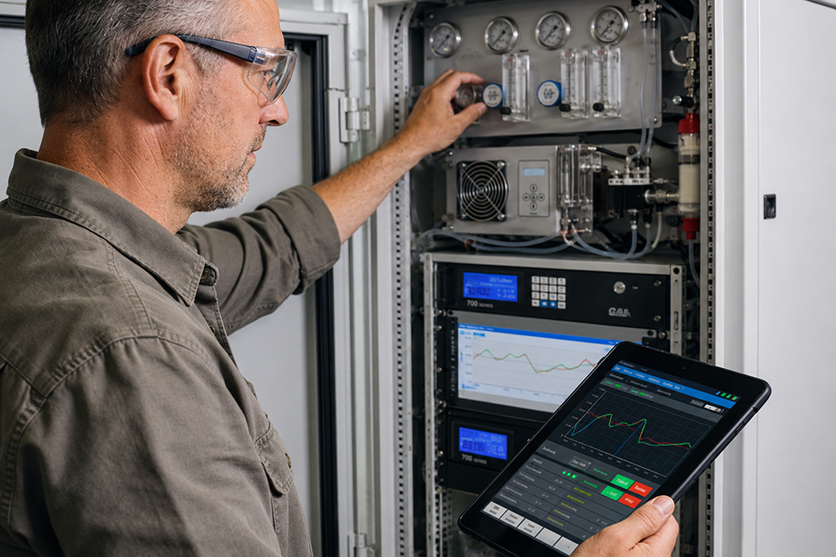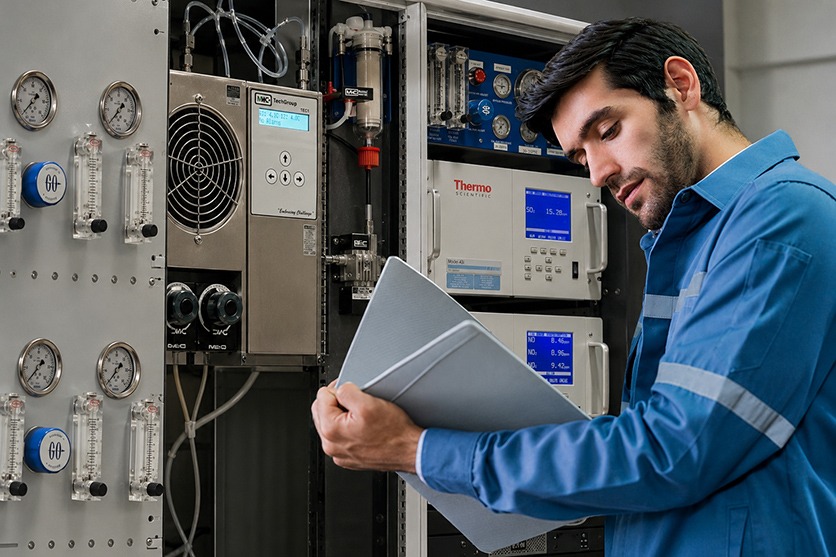
Continuous Emissions Monitoring Systems are designed to provide accurate, ongoing emissions data for industrial facilities. These systems play an important role in environmental compliance, reporting, audits, and daily plant operations. However, when a CEMS is not working properly, even small technical issues can affect data accuracy and create compliance concerns. Understanding common CEMS problems can help facilities act early and avoid unexpected downtime or reporting challenges.
One of the most common issues is analyzer drift. Gas analyzers must remain properly calibrated to provide accurate readings. Over time, readings can shift because of aging components, contamination, calibration gas issues, or internal equipment wear. If analyzer drift is not corrected, emissions data may become unreliable, which can affect compliance reporting and audit results.
Sample flow problems are another frequent concern. A CEMS depends on a steady and properly conditioned sample to measure emissions accurately. Blocked sample lines, clogged filters, faulty pumps, moisture buildup, or damaged probes can reduce or interrupt sample flow. When the sample does not reach the analyzer correctly, the system may produce incorrect readings, alarms, or missing data.
Moisture and condensation can also create serious problems inside the system. If chillers, heated sample lines, or conditioning components are not functioning properly, moisture can enter areas where it should not be present. This can damage analyzers, affect sample quality, and lead to inaccurate results. Regular inspection of sample conditioning equipment is essential for reliable CEMS performance.
Calibration failures are another issue that can directly impact compliance. Failed calibration checks may indicate analyzer problems, incorrect gas values, leaks, blocked lines, or system configuration issues. Repeated calibration failures should not be ignored, as they may point to deeper system problems that require troubleshooting, repair, or component replacement.
Data acquisition system issues can also affect compliance performance. Even if the monitoring equipment is working properly, reporting problems can occur if the data acquisition system is not recording, storing, or processing information correctly. Software errors, communication faults, or outdated reporting systems can create gaps in records and make compliance documentation more difficult.
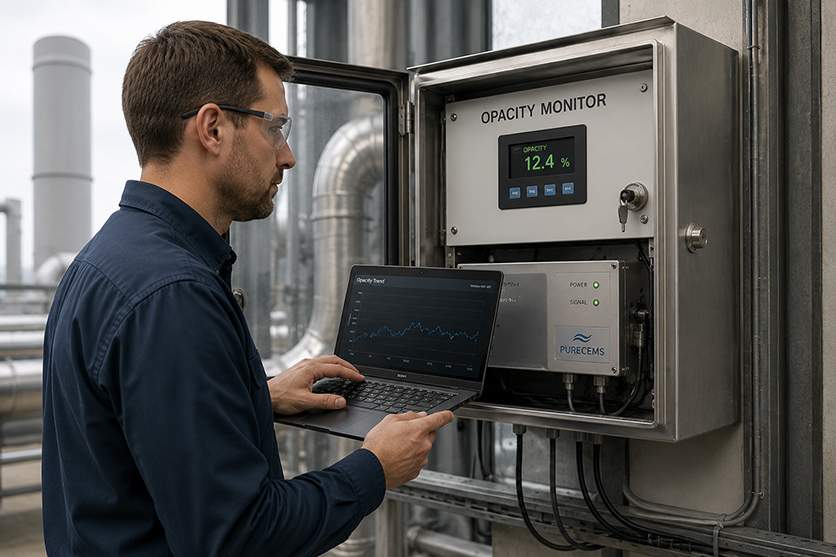
Opacity monitoring systems may also develop alignment problems, dirty optics, signal errors, or calibration concerns. These issues can affect visibility readings and create challenges during opacity audits or environmental inspections.
Many CEMS problems become more serious when preventive maintenance is delayed. Aging parts, loose fittings, worn valves, leaking regulators, and dirty filters can all reduce system reliability over time. Regular CEMS maintenance helps identify these problems before they lead to major downtime or compliance failures.
PURECEMS supports facilities with CEMS repair service, analyzer repair, system upgrades, opacity monitoring service, opacity audit support, gas chromatography service, parts assistance, and preventive maintenance. By addressing common CEMS problems early, facilities can improve accuracy, reduce downtime, and maintain confidence in their emissions monitoring data.
Compliance depends on reliable equipment and accurate reporting. When CEMS issues are handled quickly and properly, facilities are better prepared for audits, inspections, and daily environmental monitoring requirements.